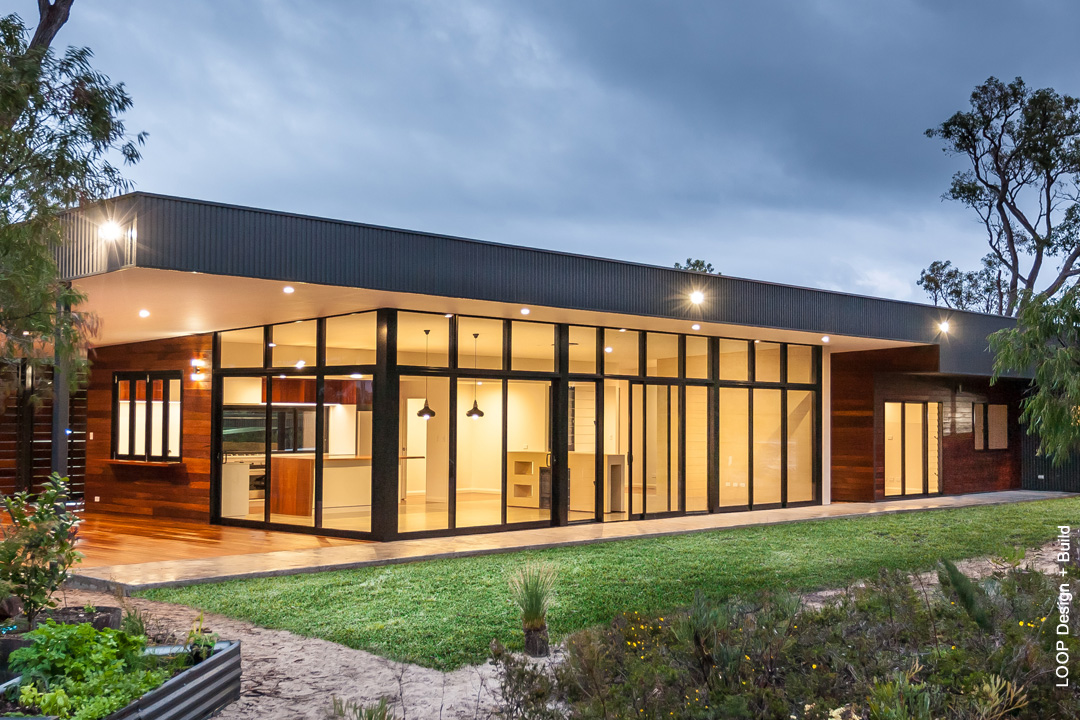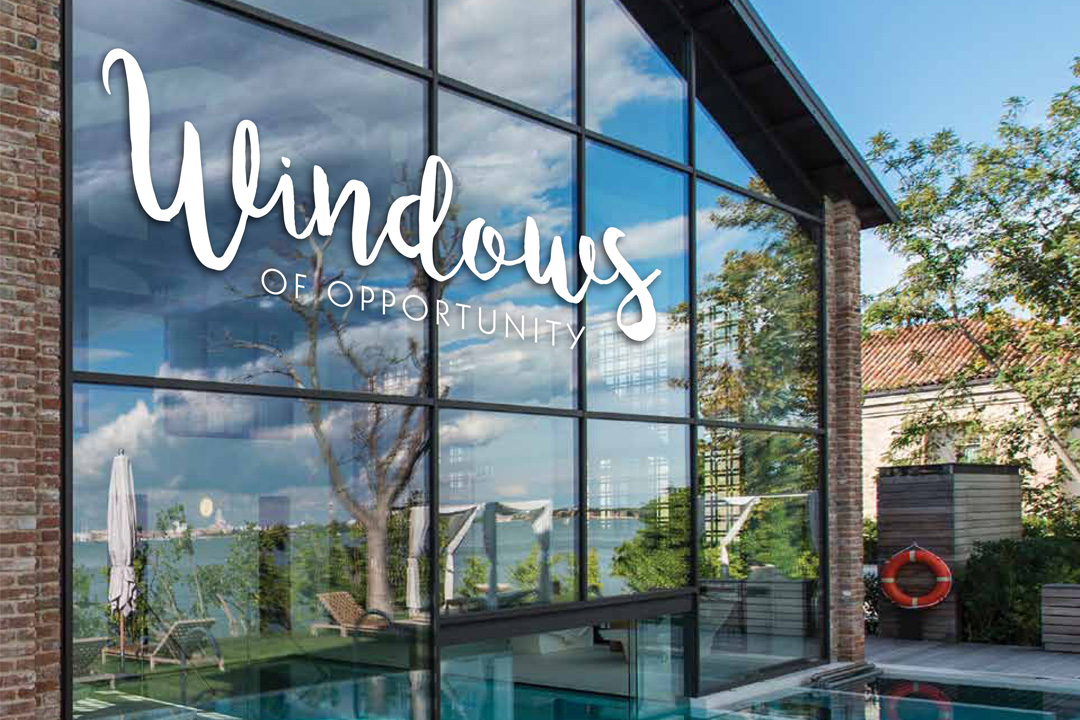
Windows of Opportunity
Windows are one of the most multifaceted components of a home, and choosing the perfect type to suit your house can be an overwhelming decision. Here, Cloé Timperley chats to Grant Dolan and Philip Hanson from Alutech to explore the many window shapes and styles that are available today, and the measures you can take to ensure your windows are energy efficient.
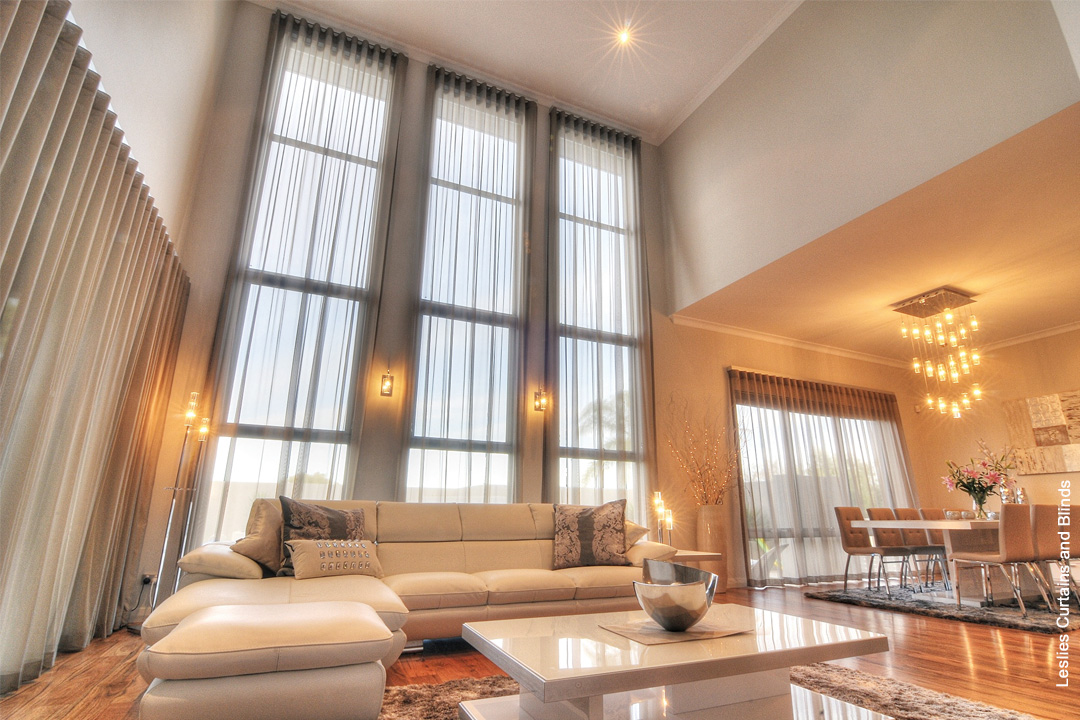
Windows are the unsung heroes of the home; these humble panes of glass affect the aesthetics of your house, provide views, ventilation and sunlight, and serve an important role in connecting your home to the outdoors. From squares to circles, arches and keyholes, windows come in all styles and sizes, and a beautifully shaped and carefully positioned window can transform any space. If new windows are in your near future, there are some important visual and functional considerations that you will need to take into account before settling on the perfect shape and style. The first thing you will need to determine is your home’s fundamental architectural style. Whether it’s a Federation bungalow or an old Queenslander, the windows you choose should complement the existing aesthetic of your home. For example, floor-to-ceiling glass is a striking yet contextual feature in a contemporary home, but can be ill-suited to an original Victorian terrace house. You will need to adhere to your home’s architectural style when selecting the right windows to ensure they’re visually appealing. Once you’ve identified your home’s architectural style, you can start looking at different window design options.
There is an incredible range of residential windows available to suit nearly any purpose or aesthetic, and to help you make the right choice, Western Australia Home Design + Living has identified some of the most popular styles.
SKYLIGHTS
Skylights, transoms and other high windows are fantastic natural alternatives to expensive electrical lighting, and can be used to show off a ceiling’s striking pitch or offer pleasant treetop views. Operable skylights are a common choice for bathrooms, en suites and laundries, as they usher in sunlight without sacrificing privacy, and help combat mould, which thrives in damp, dark spaces. “Skylights and transoms provide valuable airflow, which stops steam and moisture from building up in damp rooms,” explains Philip Hanson, the business management director for Alutech. “The more natural light you can get into these spaces, the less chance the mouldy stuff has to take hold.”
BAY WINDOWS
Beautiful and timeless, bay windows are a popular choice for bedrooms, living areas and
kitchens. Due to their sheer size and design, bay windows can help fill a room with plenty of natural light. They can also offer many other impressive benefits, such as extra storage space and banquette-style seating. Whether you’re looking for a reading alcove, somewhere to cultivate your collection of indoor plants, or a sunny lounging spot for your cat, bay windows are a versatile choice that will add value to any space.
CLERESTORY WINDOWS
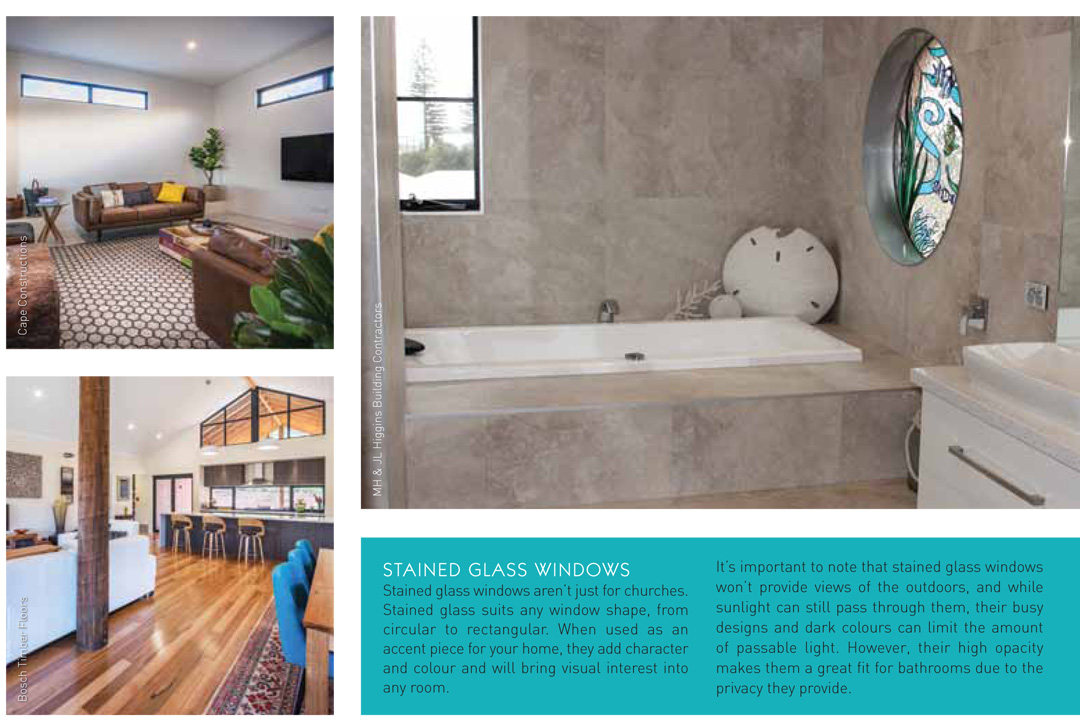
A clerestory window is a large window or series of small windows positioned along the top of the wall, usually just below the roof line. Clerestories give the aesthetically pleasing illusion of a floating roofline, and – similarly to skylights – are ideal for inviting sunlight without sacrificing privacy. “A little window at the top of the wall is ideal if you don’t want people seeing into your home,” says Hanson. “As it’s above general eye-level, you’re guaranteed a sense of privacy.” The high positioning of clerestory windows also frees up valuable wall space, which makes them the perfect solution for creative homeowners who like to display artwork.
WINDOW WALLS
Window walls have become an increasingly popular feature of modern residential architecture for their ability to instantly create a contemporary vibe. Window walls are beloved for the panoramic views they provide and the connection they offer to the outdoors, but they can also vastly improve spatial perception. Floor-to-ceiling window walls give the illusion of an open, limitless space, and make smaller rooms feel much larger. However, it’s worth noting that due to their enormous scope and the amount of glass they require, window walls are far more expensive than their smaller counterparts. “If you’ve got a house with a view of the ocean or a river, a window wall can provide an uninterrupted view,” says Hanson.
“If your windows face the afternoon sun, then it’s essential that you look at some sort of energyefficient solution to stop the radiant heat from coming in when it’s hot, and the warmth from seeping out when it’s cold,” says Hanson. Energy-efficient windows will make your home more comfortable and can dramatically reduce your heating and cooling costs. Any window – whether it’s a skylight or a clerestory window – can be made more energy efficient with a few simple improvements. Low-emissivity glass is a popular solution, as the invisible coating will radically reduce heat transfer and reflect interior heat back into your home. Double- or triple-glazed windows are another common option, as glazed windows create a brighter, cleaner and healthier home environment while significantly
WHAT’S OLD IS NEW
Even if you aren’t looking to install new windows in your home, there are a number of quick and inexpensive ways through which you can improve the energy efficiency of your existing windows. Hot and cold air can enter your home through the gaps between your window’s glass, sash and frame. If you feel drafts around the perimeterof your windows, you’ll want to seal the area by applying caulk or installing airtight weather stripping. Awnings are a stylish and effective way to reduce glare and block the sun, while limiting the amount of solar heat gain in your home. Although awnings are available in traditional materials such as wood or cotton canvas, modern materials like vinyl, fibreglass and acrylic are far more durable and require significantly less maintenance.
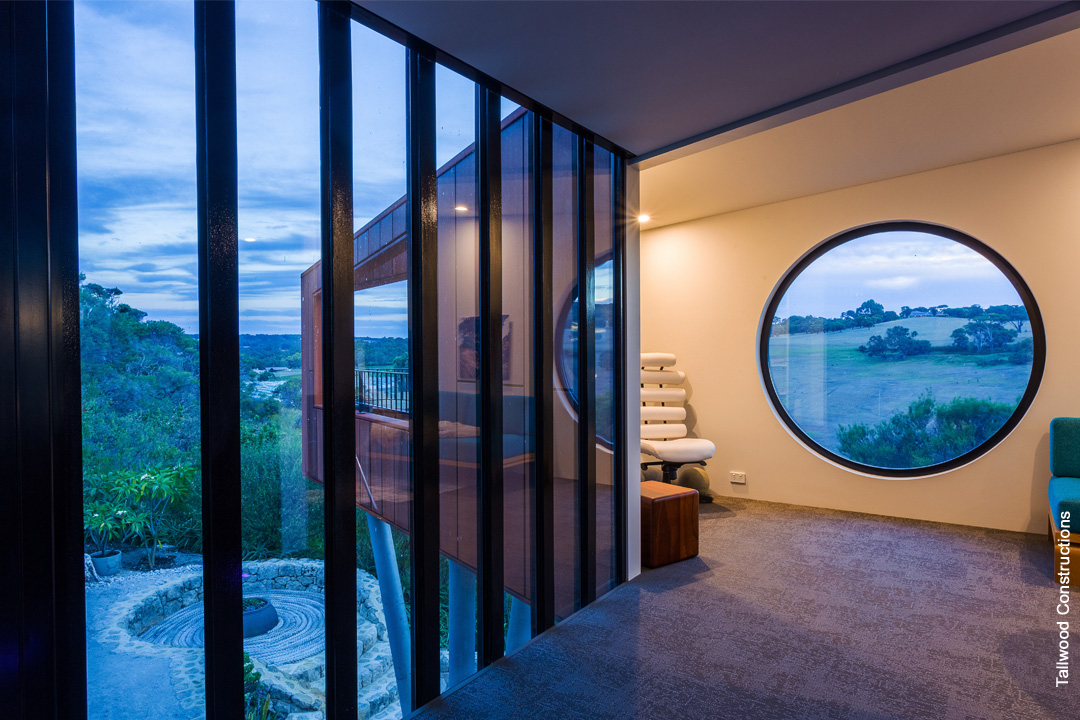
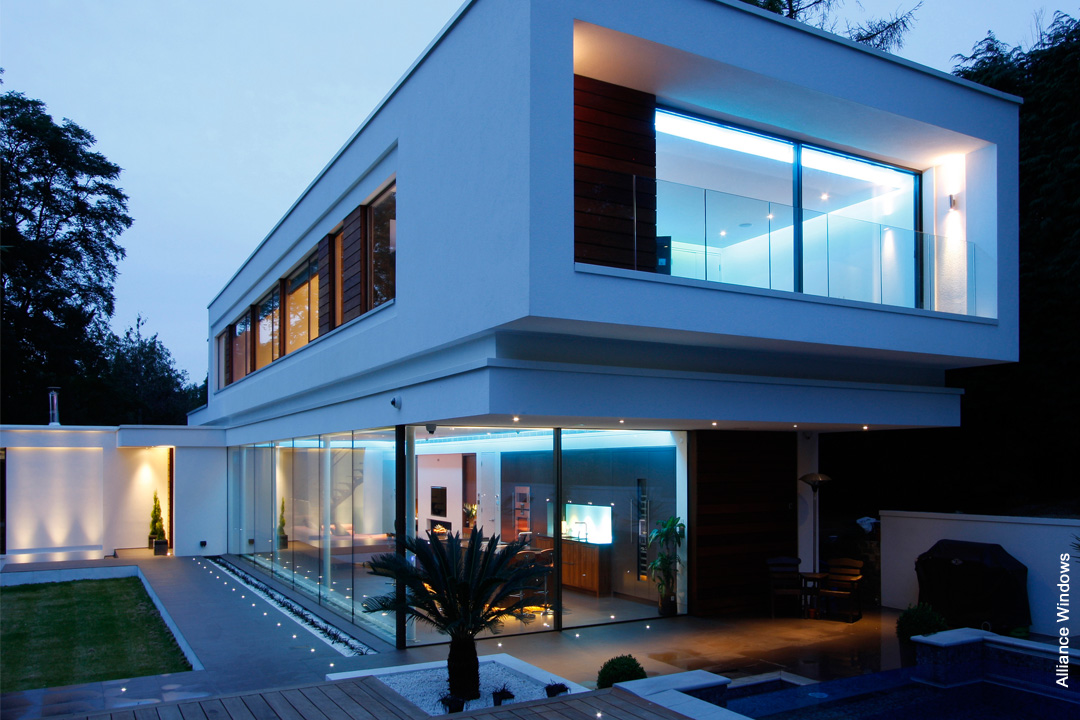
“However, it’s important that you weigh up the initial costs, as well as the heating and cooling expenses associated with window walls. “Before you commit, ask yourself just how important that view actually is.” While window walls are undoubtedly at the pricier end of the spectrum and come with a number of associated expenses, many homeowners consider the vistas, sunlight and modern aesthetic to be well worth the cost.
ENERGY-EFFICIENT WINDOWS
Once you’ve settled on your ideal shape and style, it’s time to consider the myriad ways through which you can improve your windows’ energy efficiency. Windows can be a major source of unwanted heat retention during summer and significant heat loss during winter.
lowering your utility costs. “Double glazing incorporates two individual layers of glass that are separated by a fullperimeter insulation, which can be made from a number of varying materials,” explains Grant Dolan, the director of Alutech. “Glazing is predominantly applied to achieve better thermal properties and improve energy efficiency.” Dolan also suggests aluminium frames as another way to improve your windows’ energy-saving performance. Thermally-broken aluminium windows deliver a number of benefits, including substantially improved insulation properties and a much greater resistance to solar heat gain. “Alutech specialises in aluminium frames,” says Dolan. “They are highly durable, low-maintenance and come in a wide range of colours.”
If you live in an area with colder winter temperatures, consider retractable awnings to ensure your home still receives sunlight on cooler days. While existing windows can be retrofitted with double- or triple-glazing, the process will entail the removal of the whole window frame and not just the glass. It’s recommended that you seek a thermal assessment beforehand, to ensure you’re using the right glass for the correct application and location. A beautiful window that’s thoughtfully selected and positioned will open your home to a world of possibilities. The range of available window sizes and styles has never been more varied, and the decision-making process can be difficult to navigate. However, once you’ve selected the perfect window for your home, there’ll be nothing left to do but sit back and take in the lovely view.