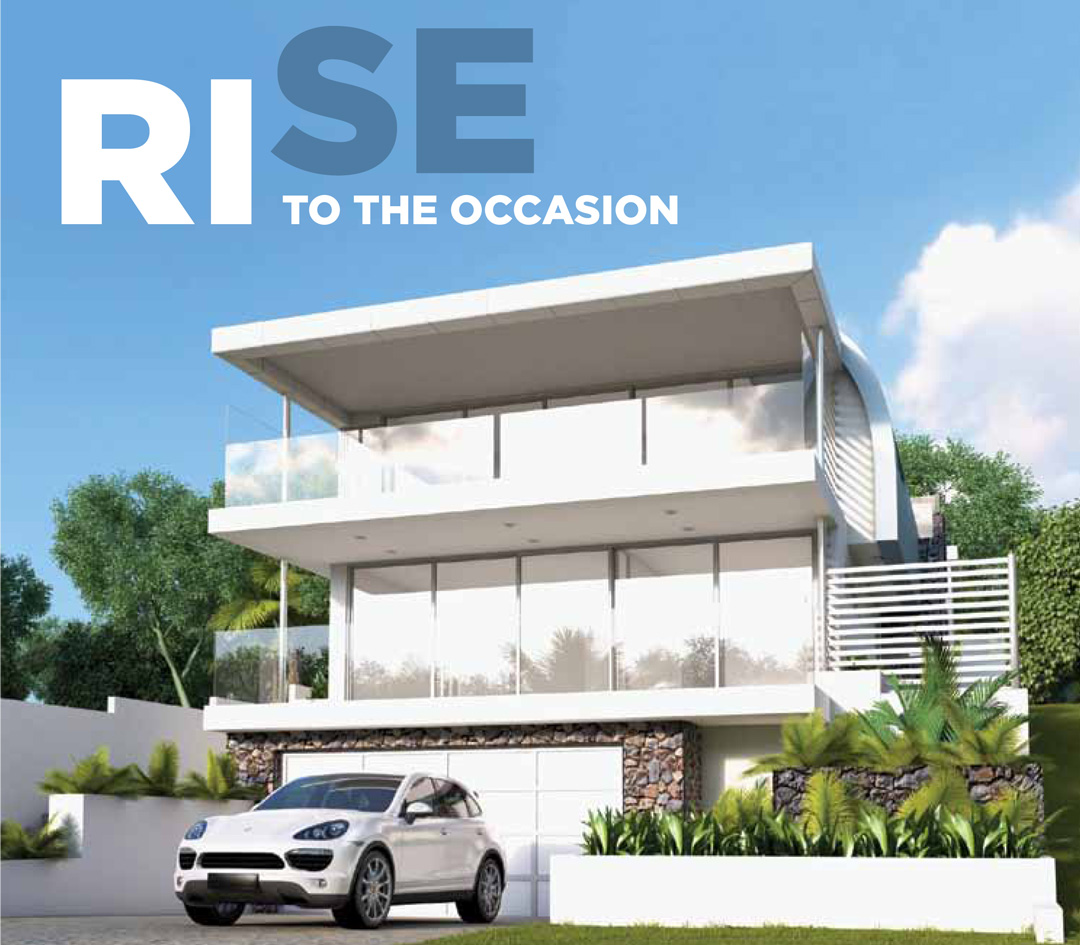
Rise To The Occasion
Your dream home might not be destined for a flat block of land in a new housing estate. Instead, it could be located in a suburb with a sloping block or uneven terrain. In most cases, a split-level home design is the solution to this problem. David Korda, designer and draftsman for Korda Design Group, levels with Jacqueline Maya about the benefits and challenges of split-level home designs.
According to David Korda, splitlevel homes are built and designed in harmony with the natural fall of the land. They usually have multiple short flights of stairs and can comprise up to four separate levels. The merits of split-level designs are widely debated among professionals in the building industry. So how do you know if it’s right for you?
UPWARD INCLINED
There are a number of potential benefits to implementing a split-level home design, from reducing overall building costs, to maximising
the building’s height and views.
Slope
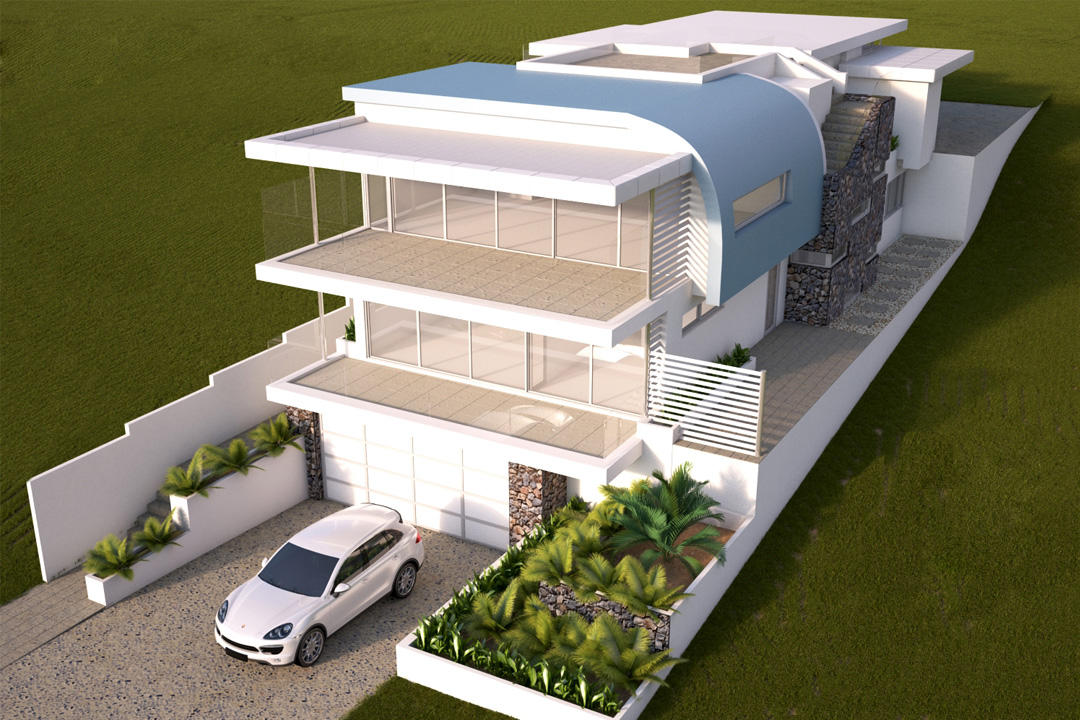
Designed in close relation to the slope of the land, split levels are best suited to steeper blocks, and can make the house appear as though it’s moulded into the hill. Split-level homes are also well suited to clients who are building in established areas along the coast and river, where the natural landscape can be impacted by underground rock or limestone.A split-level design reduces the need for cutting
or filling, which can destabilise the general area. In essence, it eliminates the need to level the site, which can be quite costly.
Cost
Split-level homes are constructed much less regularly than slab-design (aka singlestorey) or traditional multi-storey homes due to the extensive costs involved in the construction stage. However, if you’re building on a slope, implementing a split-level design will actually
cost significantly less than undertaking extensive site works or constructing retaining walls, which would likely be required for a standard design. If you have a strict budget that cannot be negotiated, a split-level design won’t surprise you with hidden costs. “These days, sloping blocks are generally cheaper than flat blocks, so you can also save on the purchase price ,” Korda says. Layout And Accessibility According to Korda, split-level homes are extremely unique because “they are designed and built using the natural landscape of the block, so no two homes will ever be the same.” An individualised approach means your options are broadened. “It gives you the ability to recreate and play ,” he says.
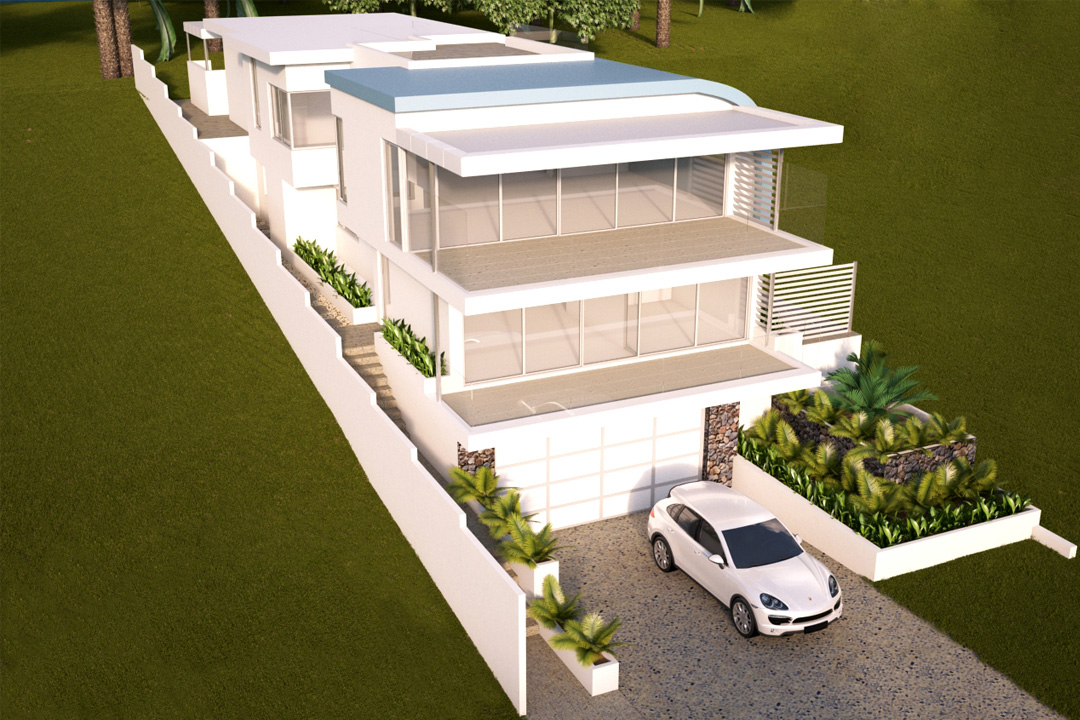
Split-level homes are renowned for their wellbalanced and distinct zones, which are perfect for a growing family. For example, the family room can double as a play area. “ won’t disrupt the pattern of other home activities, while a master retreat can be a sanctuary on the top level of the home,” Korda explains. Further, split-level homes usually have a flatter driveway, which provides easier access. Split levels are also ideal if you want to refrain from including a vast staircase/s in your design, and want to use smaller flights instead, which will also improve accessibility.
Views
A split-level design is a good idea if you want to achieve a certain height or aspect view. According to Korda, a split-level home can maximise the view from multiple rooms without obstruction.
Space
“By staggering the levels, you can obtain a greater surface space and better utilise the block by not only , but up ,” Korda says. Korda also suggests paying special attention to window types and heights to allow for crossventilation throughout the internal areas, which helps regulate the air temperature. “The opportunities are endless,” he says. “ install dormers, skylights, large windows, cathedral windows or vaulted ceilings… any of these options will also ensure your home feels more spacious.” When it comes to the size and shape of internal spaces, your options are abundant. A split-level design will allow for a large voided living space, as well as passageways, which exude ambience and grandeur, Korda explains.Selecting a split-level design also allows for a larger backyard without having to compromise on the size of your home, which is ideal for those with pets, as well as those who plan to install a
beautiful pool.
Upkeep And Adaptability
Designing your home to be more connected to the site will give you the ability to maintain its exterior more easily than if it soared high from the ground. “Split-level homes are relatively simple in their designs they don’t use external decorative architecture,” says Korda.
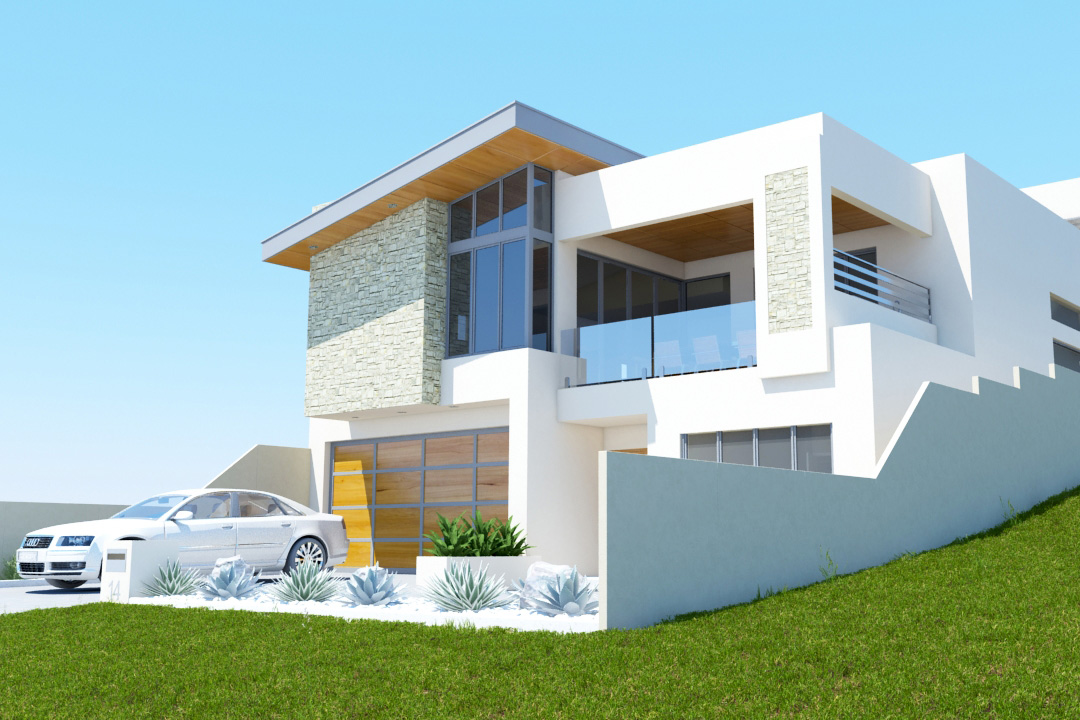
“They are usually clean-lined and modern.” Split-level homes are also highly adaptable. While they aren’t typically adorned with ornate features, they do offer a clean slate and more customisation options. With an abundance of space, you have the ability to upgrade and adapt your home however you want.
UPHILL BATTLES
Split-level homes are known to be relatively challenging in their design and construction. If you’re considering a split-level design, it’s important to be aware of its unique features, and how these can be used to your advantage.
Flow
The main challenge of designing and constructing a split-level home is creating a smooth flow between the levels. For the best outcome, utilising open-plan sections in the design will make your home feel like it has more space. High ceilings are a common feature of open-plan, split-level designs as they look fantastic and improve airflow.
Call In The Experts
“Split-level homes have more factors to consider in their design than a home,” Korda says. For example, they usually feature more levels and steps than a standard design, which means they’ll require greater support. To ensure the construction process runs efficiently and smoothly, it’s important to select a designer and builder who have extensive experience with split-level homes.
HEAVEN ASCENT
If you’re building on a slope, it’s clear the benefits of implementing a split-level design are far greater than the challenges. Korda believes that split-level homes are making a comeback, and with the above benefits combined, it’s easy to see why they’re becoming so popular among large families, and why they have stood the test of time since their rise to fame in the 1950s. “Split-level homes cater to homebuyers of all categories, from young families through to empty nesters,” Korda says. Provided you take your time devising the layout and seek advice from a building professional, constructing and designing your split-level home will prove to be nothing but an elevating experience.