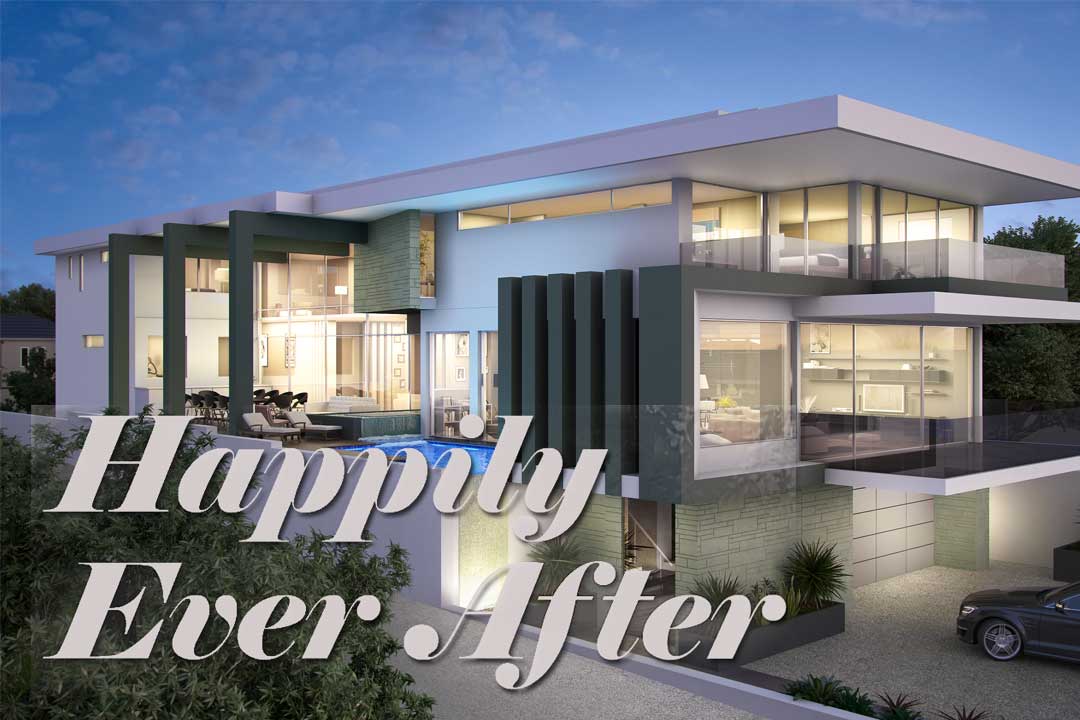
Happily Ever After
Designing your ‘forever’ home can be a daunting process. The design needs to be tailored to your current lifestyle, with the flexibility to adapt to your changing needs later in life. Emma Phillips speaks to Justin Everitt, the principal director of Justin Everitt Design, about the key considerations you’ll need to take into account when designing a home for a lifetime of leisure.
You’ve found the perfect block of land on which to settle, and you’re ready to take on the challenge of building the home where you’ll create wonderful memories for the rest of your life. With the help of an industry professional, you can achieve the best design and style solutions to create a beautiful home that can easily adapt to your evolving needs. It’s vital to seek trustworthy advice when planning something as important as your forever home. You’ll want to create living spaces that will last for many years to come, with the flexibility to change in correspondence with new trends and lifestyle developments. A reputable industry professional will be able to guide you through the entire building process and help you make all the tough decisions.
Somebody To Lean On
Designing a home that you will live in for decades is a big commitment. You need to be sure that you are making the right decisions for yourself, and for your family. “Flexibility in the design of the layout is key,” says Justin Everitt. “Creating fewer spaces that are larger in size will ensure the home can easily adapt to changing family needs.” Choose a professional you can trust to keep your best interests at heart and guide you in the right direction. Once you have met with your designer, they can begin to develop an understanding of your needs and what you’re looking for in a forever home. According to Everitt, one of the biggest hurdles you’ll face is deciding the main features you’ll want to incorporate into your design.
You’ll need to consider functionality, as well as comfort. “, you may want to ensure the bedroom sizes are tailored to the needs of the future occupants,” he says. “The main suite may need space for a sofa to create a parents’ retreat. “Your preferences should have a huge impact on the design of the space,” Everitt adds. It’s important to address your unique needs in the design, while also ensuring the space is flexible enough to adapt for the next generation. Your forever home is one of the biggest investments you will make, and you don’t want to look back and regret spending large amounts of money on something you’ll eventually outgrow. Speak with your builder about your budget, the key features you’d love to incorporate into the design, and how these can be appropriately transformed as the years go by.
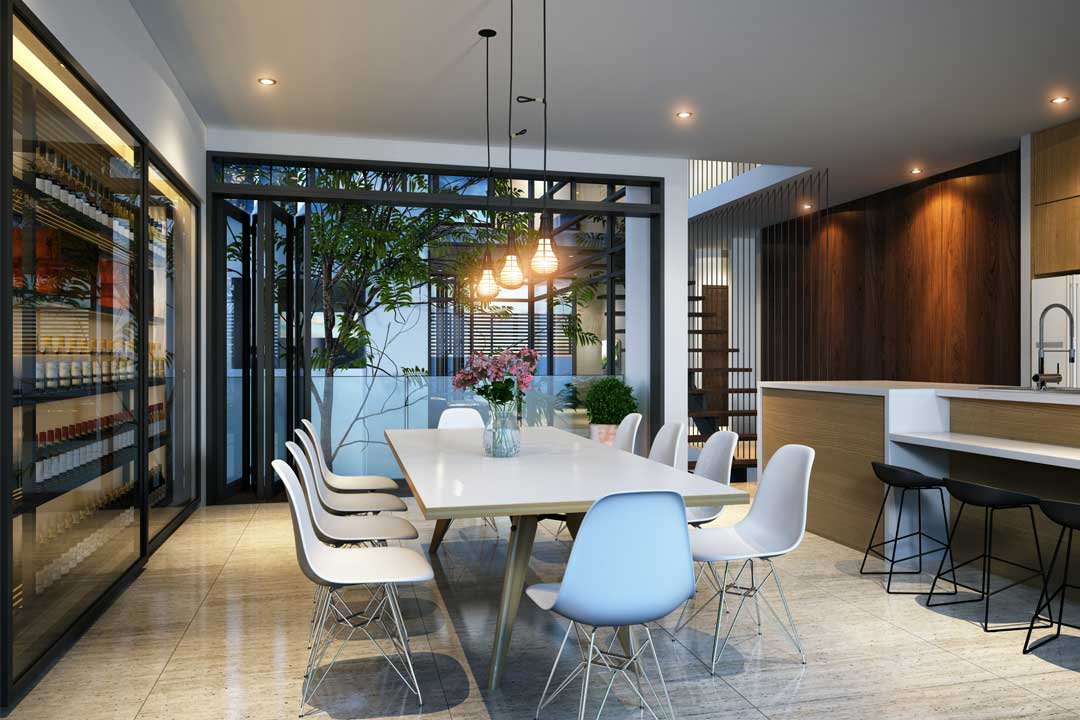
Your forever home is one of the biggest investments you will make, and you don’t want to look back and regret spending large amounts of money on something you’ll eventually outgrow. Speak with your builder about your budget, the key features you’d love to incorporate into the design, and how these can be appropriately transformed as the years go by.
Less Is More
When choosing the colour palette for your forever home, you need to set some boundaries to keep the design manageable and realistic. Bold paint choices for your walls may not be the best option for a forever home. Instead, consider incorporating bright pops of colour with easily interchangeable décor items, such as wall art, rugs, cushions or throws. This way, you can easily alter the style of a room with little expense or effort, whenever you like!
Materials Matter
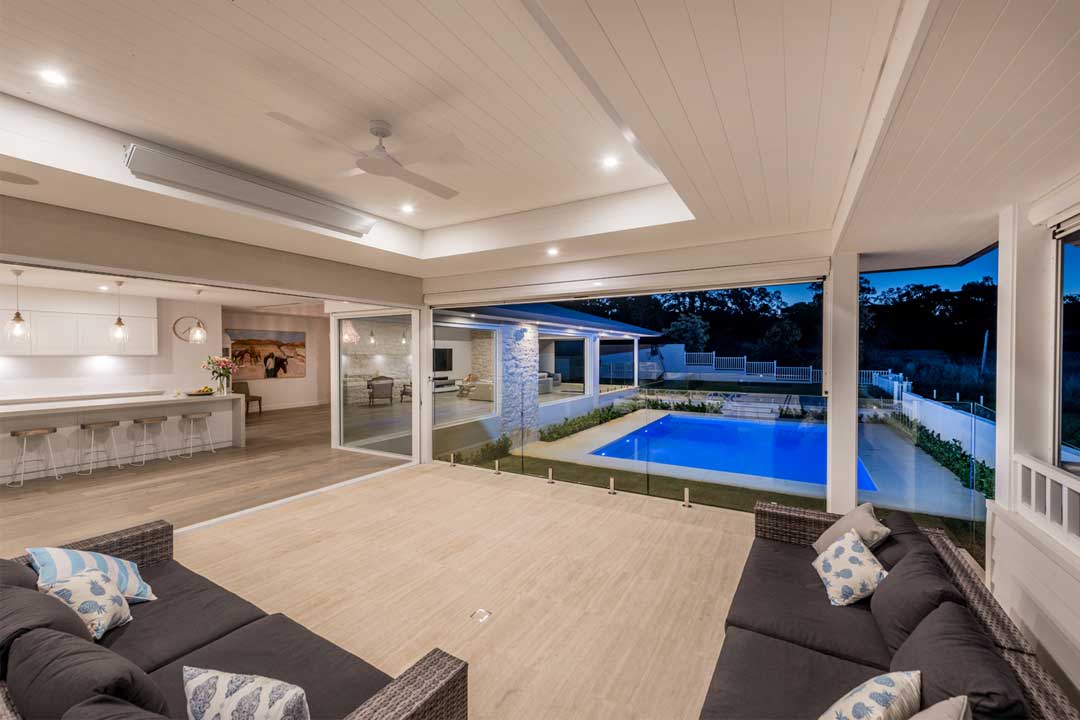
Selecting materials to incorporate into your home can also be a complicated process. Sit down with your designer or builder to discuss your options and the durability of the materials available. You’ll need to ensure they will stand the test of time, with the ability to be easily modernised. Everitt suggests using simple tiling in your bathroom and selecting clean tones that will be easy to keep. A neutral colour scheme will ensure your bathroom maintains a sophisticated look for years to come. Incorporating an undercover outdoor entertaining area is a must in Western Australia. “Creating spaces that are tailored to your lifestyle, while also considering the site conditions is the aim for outdoor spaces,” Everitt says. “There may be a prevailing wind that an outdoor space needs to be protected from, like the south-westerly in Western Australia.”
Let There Be Light
Your forever home’s lighting is another element that needs to be thoroughly considered. Lighting can change the mood of a room in an instant and creates a welcome atmosphere when implemented correctly. “All lighting should be LED,” advises Everitt. “LED lights last longer and are environmentally friendly. “I would usually recommend warm-toned LED lighting in a home as it provides a comfortable and relaxing atmosphere,” Everitt says. “Cold lighting has a specific place, such as when you want to
accentuate a certain feature.” Thoughtfully-selected outdoor lighting is equally essential when planning your forever home to ensure the safety of your family. “Motion detector security lighting is an effective way to alert homeowners of guests or unwelcome visitors,” says Everitt. “Placing timer lighting in your courtyard is also a good deterrent, especially when you’re out of town.”
Eco-Friendly Living
Eco-friendly design features can make a forever home more sustainable in the long term and reduce the cost of living. There are many different eco-friendly solutions that can be added to your home, so it can be hard to know which ones are right for you. You’ll need to consider all of the design elements of your home, including its orientation, window systems and materials, before committing to an eco-friendly approach. Sitting down with your designer or builder to discuss the eco-friendly options that are viable for your property is highly recommended, as they may suggest options you hadn’t even considered! Everitt recommends installing solar power with battery storage. “This will future-proof your home and provide a cost-effective power source. “An eco-friendly design should also consider specific site conditions,” Everitt says. “Your home should capture the cooling summer breeze while also protecting you from the harsh summer heat.”
Room To Grow
There are many things to consider when creating an adaptable room in your forever home, including its layout and size, as well as the locations of the windows, doors and electrical points. Before designing the room, try to predict what it will be used for later in life, as you’ll need to ensure it will be able to serve its current and future purposes. “Reducing the amount of built-in furniture throughout your space will increase its future flexibility,” Everitt says. “Transforming a bedroom into a spacious study is among the easiest of conversions,” Everitt says. “Bedrooms tend to have built-in wardrobes, which always make good filing space in a study.” Speak to your builder about your current lifestyle and where you see yourself in the coming years. If you have children living at home, perhaps consider designing a bedroom with an uncomplicated layout, as this could easily be adapted once they leave the nest.
A Kitchen To Keep
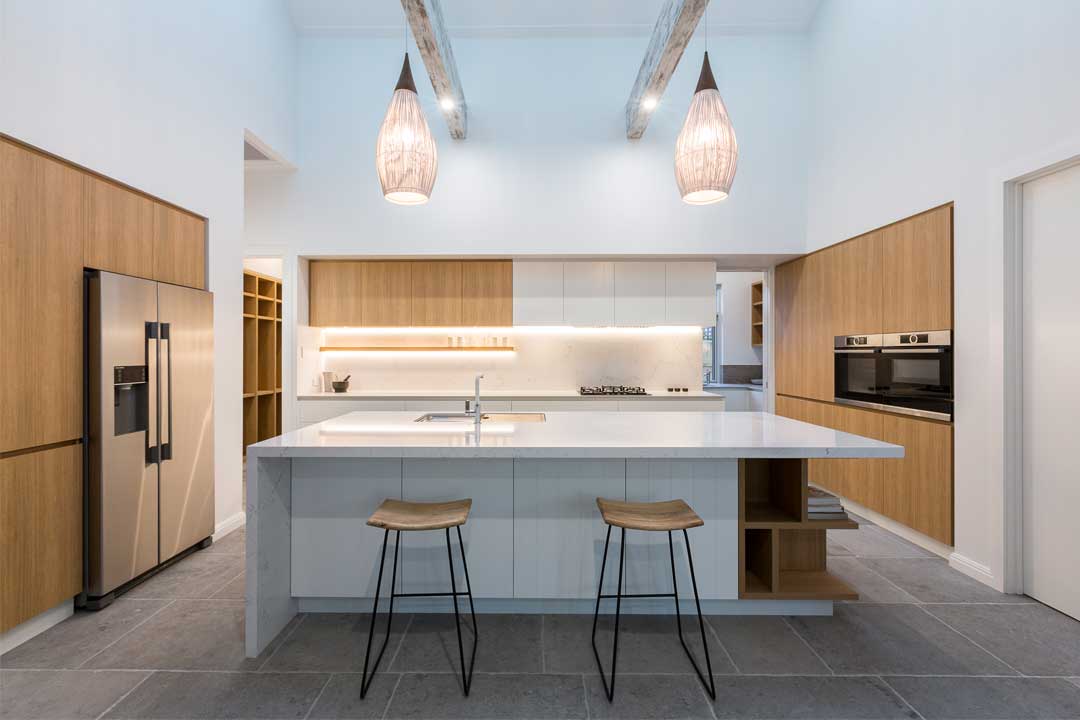
You’ll need to find a balance between aesthetics and practicality to achieve a kitchen that will last a lifetime. The positioning of appliances, plumbing fixtures and cutlery drawers is extremely important, as is the benchtop’s depth, height and orientation. Changes to the layout can be quiet costly, so it’s important to think ahead during the initial design stages. Everitt recommends opting for a neutral colour scheme and timeless materials, as this will ensure your kitchen will not date with changing trends. “An updated look can easily be created by new breakfast-bar stools or a new set of plates,” says Everitt. “ is a lot easier to change than a stone benchtop.”
Flush Design
The bathroom can be one of the hardest rooms to design in a forever home. You will need to consider how many of them will be included in the design, how many people will be using them, and how they’ll be accessed. Selecting the fittings can also be complicated; make your decisions based on your lifestyle, stylistic preferences, and the general colour palette of your home for visual cohesion. “I would always recommend having at least one bath in the house,” Everitt says. “Baths are great when placed in the kids’ bathroom, but can also provide a fantastic aesthetic to the main bedroom’s en suite.”
Easy Access
A major challenge in designing a forever home is ensuring its accessibility will remain optimal in the long term. “Rebating sliding-door frames into the slab will allow for same-level access inside and outside,” says Everitt. “This popular design feature will improve accessibility and also provide a cleaner aesthetic.” It’s easy to see why many Australians are choosing to build their forever home; it’s a cost-effective way of ensuring you will live in a beautiful, tailored environment for the rest of your life. While there are many readily-available home designs on the market, it’s important to customise your new home to suit your family’s changing needs. Take the time to sit down with a professional to discuss how you’ll create a house to call a home for many years to come.