
Designed Around You
Designing a home isn’t just about walls, windows and wow-factor. It’s about creating a space that fits seamlessly into the way people actually live. For Daniel Cassettai, the design director at Daniel Cassettai Design, every project starts with a conversation. His process is about uncovering how a family moves through their day, what matters most to them, and how a home can quietly support it all. Here, Western Australia Home Design + Living’s Jessica Muller chats with Daniel Cassettai about how thoughtful design can translate lifestyles into liveable spaces.
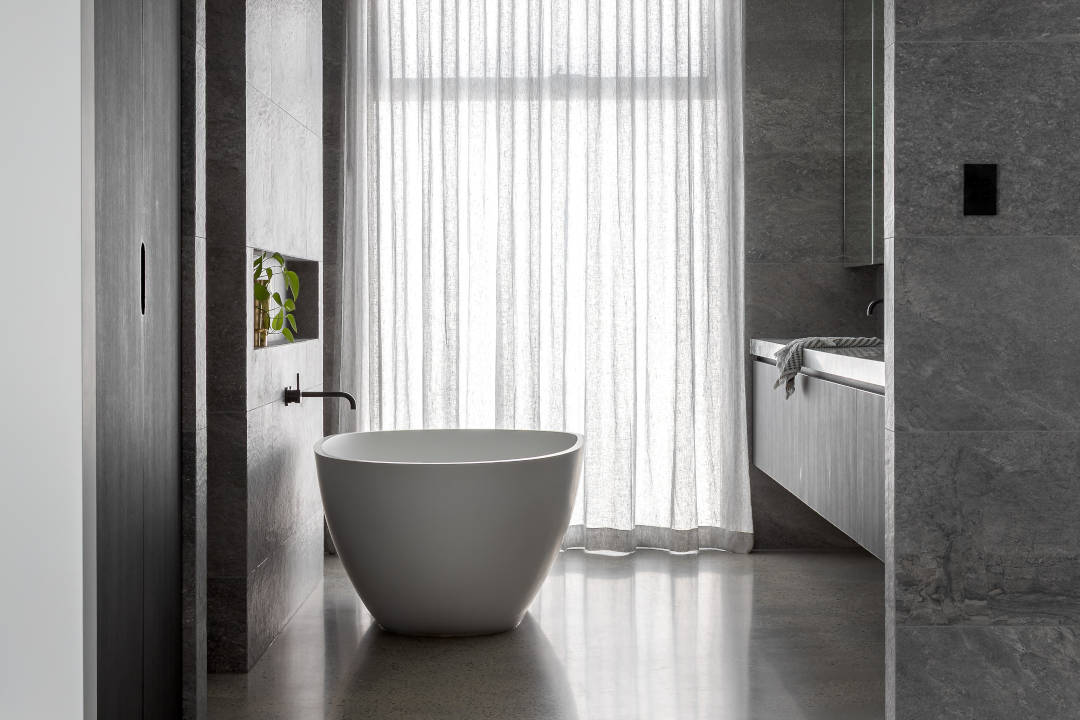
Cassettai’s design philosophy is simple: “I believe in creating architecture that celebrates light and wellbeing, expressed through calm, simplified forms that elevate everyday living.” In the early days of Daniel Cassettai Design, he recalls focusing very much on aesthetics – creating striking forms and strong visual statements. “Over time, though, our philosophy has matured. We’ve shifted toward designing for liveability: spaces that not only look beautiful but also feel effortless and intuitive to live in,” he explains. “For us, good design is about how a home supports daily life, brings comfort and enhances connection, not just how it photographs. That evolution has shaped the way we approach every project today.”
BUILDING CONNECTIONS
Cassettai emphasises the importance of a face-to-face meeting with the client in the early stages of a new design project. “It brings a level of personal connection that you just don’t get over the phone or email,” he says. For a lot of people, the idea of designing and building a custom home can feel a bit overwhelming, so sitting down together and breaking the process down into smaller tasks really helps ease some of that anxiety. “Most importantly, it gives us the chance to really get to know the client – not just what kind of house they want, but how they live. We’ll talk about who the home is for, what their day-to-day looks like, any hobbies or special interests, or even what they’ve loved or not loved in past homes,” Cassettai details. “Things like aesthetics
and budget naturally come into the conversation, but that first meeting is really about understanding the person and what they need from their home. It’s the foundation for everything that follows.”
Cassettai considers it his job to take the practical realities and the big dreams and bring them together, designing homes that are highly functional at their core, then layer in the aspirational elements to make them truly feel like yours. Rather than working through a set checklist of questions, he takes a more relaxed, conversational approach. “It helps put clients at ease, and when people feel comfortable, they tend to open up and share more about what really matters to them,” he says.
“Sometimes, it’s the little comments – something they say in passing – that reveal the most important insights.” He has found that the key is listening to the client, and then when needed, asking the right follow up questions to help them dig a little bit deeper. “But ultimately, it’s about understanding how they live – not just in theory, but day to day – so we can design a home that truly fits them,” he reaffirms.
WHERE IDEAS TAKE SHAPE
“In the early stages, we actually like to keep things a bit loose and conceptual,” Cassettai shares. “There’s something about the sketchy, unfinished quality that invites interpretation – it helps people see beyond the lines and start imagining how they would live in the space. It’s less about precision at that point and more about sparking the client’s imagination and get them emotionally connected to the design.”
Cassettai admits that this early stage is one of his favourite parts of the design process, when all the threads of a client’s brief finally come together and the design takes shape in a tangible way.
“For me, it usually happens at my old drafting table, with a strong coffee in hand and hopefully some sunshine streaming in,” he describes. “I still like to start with hand sketches on tracing paper – it keeps things fluid and open. I’ll layer different options over each other, sometimes three or four at once, and this moment where everything just clicks. The concept suddenly reveals itself, and you know instinctively that it works. That’s a real joy.”
The response to the design brief is about bringing theclient’s vision together with the practical realities – site constraints, orientation, how the space will be used and what’s achievable within the budget. “We never see things like budget, site conditions or regulations as roadblocks – they’re part of the design puzzle. In fact, they often shape a more considered, intelligent outcome,” Cassettai emphasises. “Our role is to guide the client toward the best version of their vision – one that fits not only their lifestyle but also the realities of their site and budget. From there, we refine and develop the design in collaboration with the client. It’s a back-and-forth process where we tweak and evolve the concept until it feels just right.”
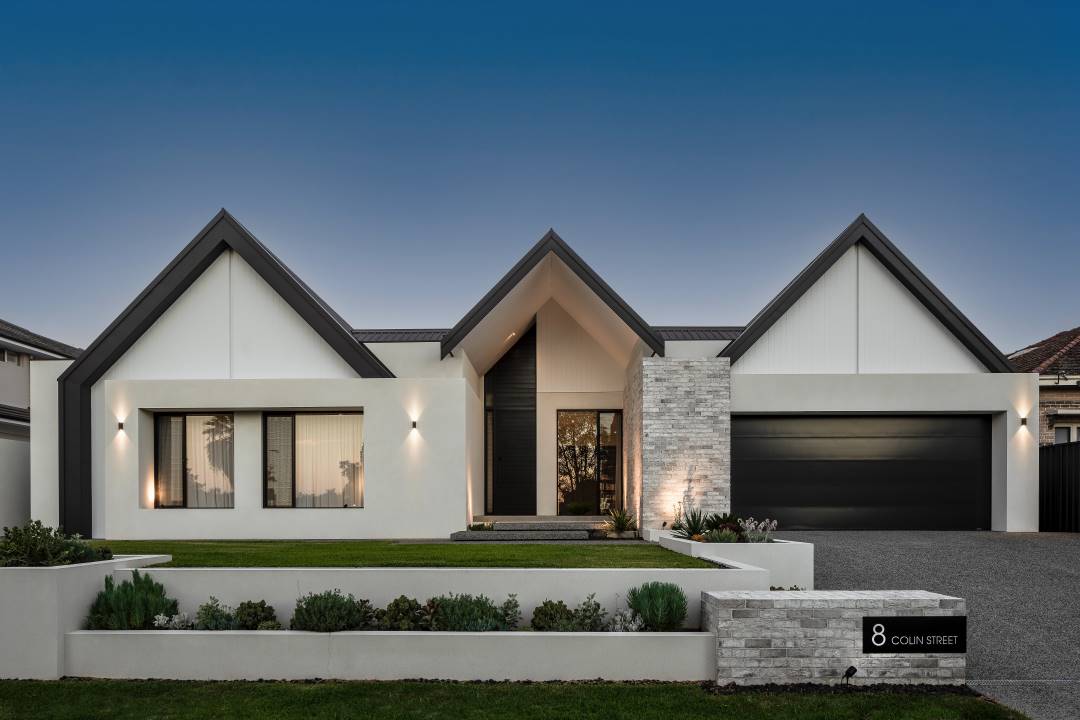
Once the design is locked in, the team manages the lodgment and coordination of the development and approval process with the council. While this is underway, the interior design phase begins. “Our in house designer works closely with the client over a series of meetings – selecting materials, finishes, cabinetry and working through all the internal details. Those choices are then incorporated into the working drawings,” Cassettai says. “During construction our involvement continues with ongoing support to both the client and their builder to help ensure the final build stays true to the design intent and runs as smoothly as possible,” he reassures.
MAKING LIFESTYLE TANGIBLE THROUGH DESIGN
Cassettai explains that while lifestyle factors might seem intangible at first, they quickly take shape once you start talking with a client about how they move through their day. “For example, a client who loves to entertain will naturally need generous, flowing spaces – especially in the kitchen, living and outdoor areas. We focus on good circulation, natural light and a layout that feels open and welcoming,” he says.
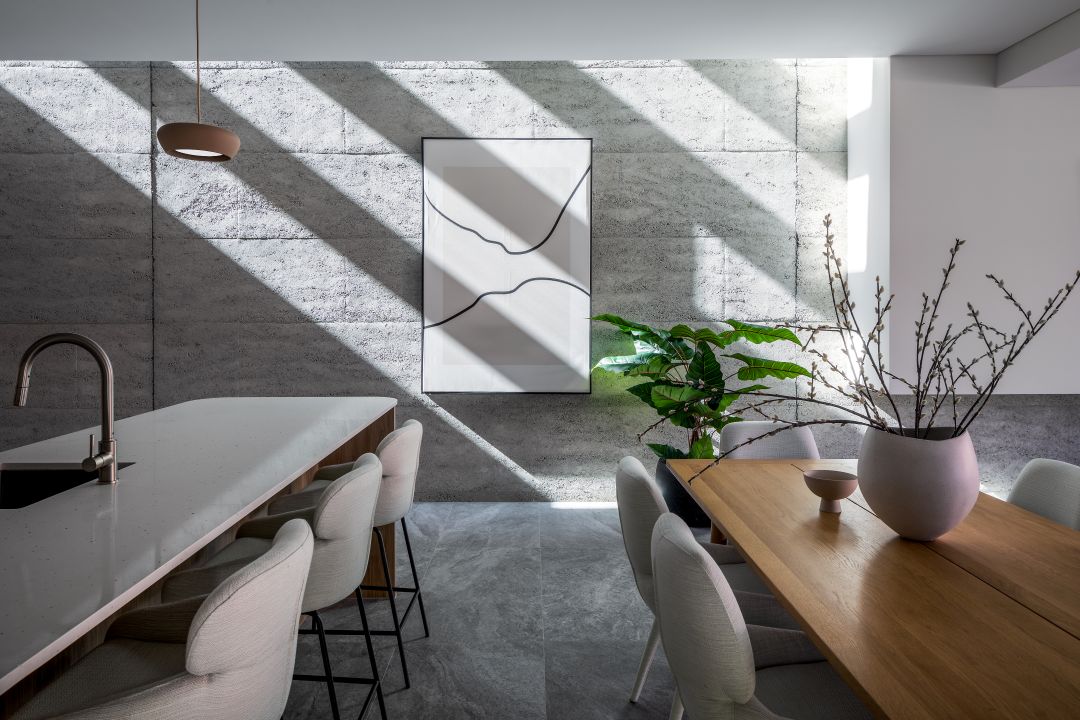
On the other hand, someone who is more introverted might prioritise smaller, intimate spaces that feel cosy, quiet and private. “In these cases, the architectural attention shifts. We might design private courtyards, nooks, or more secluded zones in the home. It becomes more about the art of the reveal – creating spaces that feel like hidden retreats, where the details are subtle but rich in meaning,” he expands.
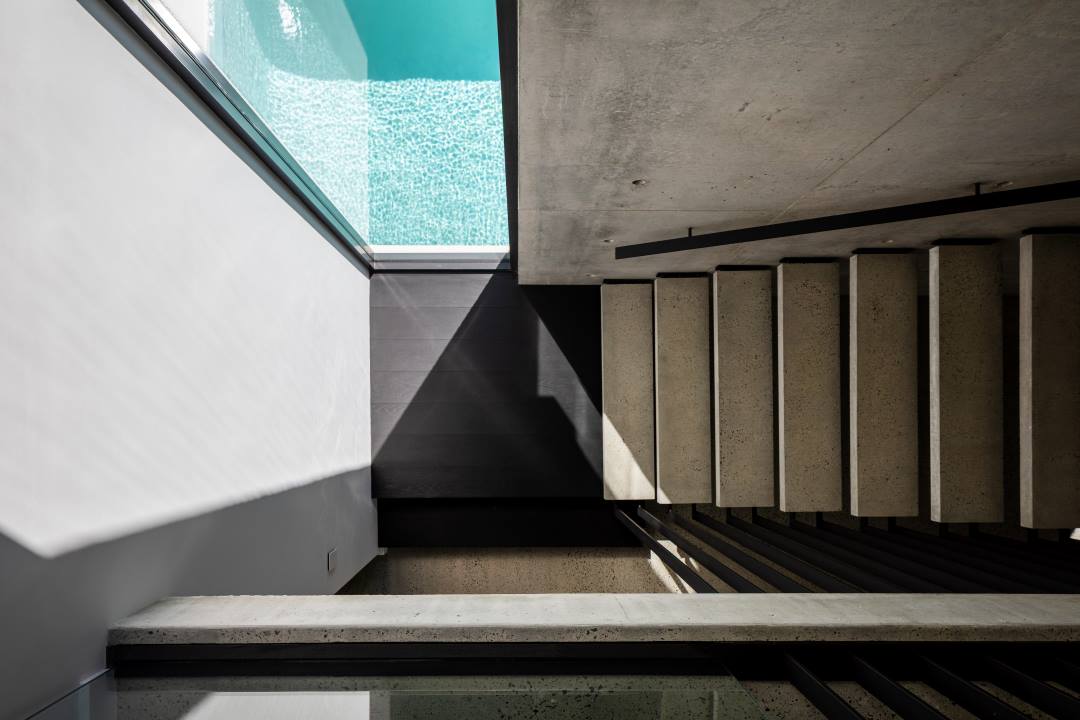
Cassettai recalls one of his favourite projects being for a couple – one a concrete surface specialist, the other an interior designer – who came to Daniel Cassettai Design with a very specific vision. “They wanted a bold, contemporary home that celebrates concrete as a material, while still feeling architectural, industrial, and most importantly, inviting,” he recounts. The team worked with them to integrate concrete throughout the design: off form insitu concrete walls, exposed ceilings and polished floors to set the tone. But the standout feature was a bespoke staircase made of floating concrete treads, suspended by black steel.
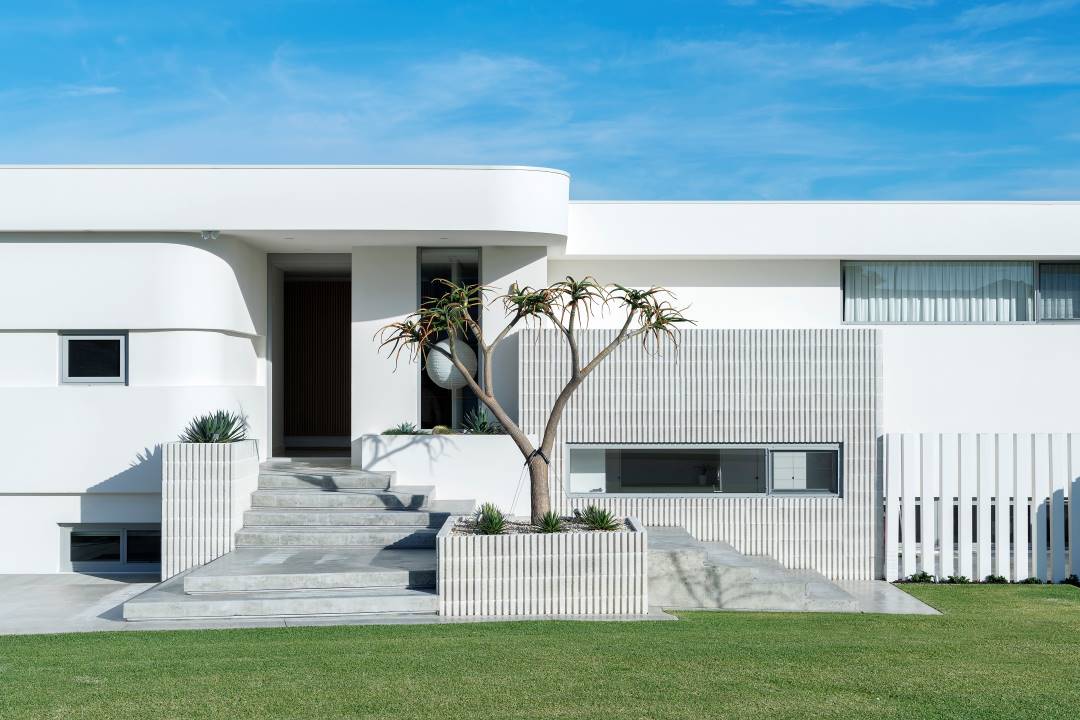
“It became the centrepiece of the home, a sculptural moment that balances rawness with refinement,” Cassettai describes. “Designing that staircase was a true team effort between us, the client and the engineers. We wanted it to feel open and industrial, but also textural and warm, with beautiful plays of natural light and shadow,” he adds. “The result is a home that’s unapologetically bold, deeply personal and completely tailored to celebrate their lifestyle and creativity.”
TIPS FOR HOMEOWNERS
The process of designing and building your home is always going to be a little daunting, no matter if it’s your first time or your tenth. Cassettai advises that essential to a smooth design process is the understanding that each project is different, and there will always be a little back and forth while the team develops the design. “Have trust in the process, and in your design team to advocate for you and your design,” he emphasises. “The key to developing trust is communicating openly and honestly. If you have questions, ask them. If something doesn’t feel right or you’ve had a change of heart, don’t be afraid to speak up,” he adds. He finds that the clients who get the most out of the process are the ones who are engaged and communicative. “It allows us to make more informed decisions and ensures the design stays aligned with your needs and expectations,” he says.
“Really, we are very lucky we get to do something that we love and that brings out a lot of joy and satisfaction to us and our clients,” Cassettai shares. “The best piece of advice I can give is find a designer who truly resonates with you. Trust is absolutely critical… With the right partnership, you can achieve something really special.”
Images courtesy of Daniel Cassettai Design